A Living Digital Twin of the Human Immune System

We develop multiscale computational models that simulate, visualize, and predict immune behavior — from molecules to whole-body responses.

The immune system sits at the core of human health

Understanding immune behavior is essential for understanding health, aging, and diseases, predicting outcomes, and designing interventions. Yet, immunity is dynamic and complex - changing across individuals, time, context, and biological scale.

A unified, computational
model of immunity

We integrate molecular data, cellular interactions, tissue-level dynamics, and whole-system behavior into a cohesive digital model. This gives scientists, clinicians, and educators a new way to explore, simulate, and predict immune function at scale.

What Is a Biological Digital Twin?

Data In

We integrate clinical measures, immune profiling, multi-omics datasets, and decades of literature-derived mechanistic knowledge. These data provide the foundation for curating and parameterizing an accurate representation of immune behavior.

Data In

We integrate clinical measures, immune profiling, multi-omics datasets, and decades of literature-derived mechanistic knowledge. These data provide the foundation for curating and parameterizing an accurate representation of immune behavior.

Data In

We integrate clinical measures, immune profiling, multi-omics datasets, and decades of literature-derived mechanistic knowledge. These data provide the foundation for curating and parameterizing an accurate representation of immune behavior.

Multiscale Modeling

Expert-curated mechanistic models—spanning intracellular signaling, metabolism, cell–cell communication, and tissue-level dynamics—are combined with AI/ML methods to simulate how immune processes interact across biological scales.

Multiscale Modeling

Expert-curated mechanistic models—spanning intracellular signaling, metabolism, cell–cell communication, and tissue-level dynamics—are combined with AI/ML methods to simulate how immune processes interact across biological scales.

Multiscale Modeling

Expert-curated mechanistic models—spanning intracellular signaling, metabolism, cell–cell communication, and tissue-level dynamics—are combined with AI/ML methods to simulate how immune processes interact across biological scales.

Predictive Insights

By uniting mechanistic simulations with data-driven personalization and disease-contextualization, the twin forecasts immune trajectories, identifies key drivers of change, and enables exploration of interventions and “what-if” scenarios with scientific traceability.

Predictive Insights

By uniting mechanistic simulations with data-driven personalization and disease-contextualization, the twin forecasts immune trajectories, identifies key drivers of change, and enables exploration of interventions and “what-if” scenarios with scientific traceability.

Predictive Insights

By uniting mechanistic simulations with data-driven personalization and disease-contextualization, the twin forecasts immune trajectories, identifies key drivers of change, and enables exploration of interventions and “what-if” scenarios with scientific traceability.

One model. Multiple biological scales. Multiple mathematical and computational approaches.

The immune system spans molecules, cells, tissues, and organs, orchestrating responses in infections, autoimmune diseases, chronic illness, cancer, aging, and inflammation. Modeling this system requires multiple mathematical and computational approaches integrated across time scales from seconds to years.

Subcellular

Mechanistic rules describe molecular signaling, metabolic pathways, gene-regulatory logic, and cytokine-production dynamics curated from decades of immunology research.

Subcellular

Mechanistic rules describe molecular signaling, metabolic pathways, gene-regulatory logic, and cytokine-production dynamics curated from decades of immunology research.

Subcellular

Mechanistic rules describe molecular signaling, metabolic pathways, gene-regulatory logic, and cytokine-production dynamics curated from decades of immunology research.

Cellular

Logical, metabolic, and agent-based models capture immune-cell activation, differentiation, and coordination between innate and adaptive responses.

Cellular

Logical, metabolic, and agent-based models capture immune-cell activation, differentiation, and coordination between innate and adaptive responses.

Cellular

Logical, metabolic, and agent-based models capture immune-cell activation, differentiation, and coordination between innate and adaptive responses.

Tissue-Level

Spatial and microenvironmental cues, including cytokine gradients, cell–cell interactions, and tissue / compartment-specific behavior, are simulated through multiscale and multicellular dynamics.

Tissue-Level

Spatial and microenvironmental cues, including cytokine gradients, cell–cell interactions, and tissue / compartment-specific behavior, are simulated through multiscale and multicellular dynamics.

Tissue-Level

Spatial and microenvironmental cues, including cytokine gradients, cell–cell interactions, and tissue / compartment-specific behavior, are simulated through multiscale and multicellular dynamics.

Systemic

Kinetic/ODE and whole-body models represent immune regulation across organs, recovery trajectories, disease levels, and long-term immune health states.

Systemic

Kinetic/ODE and whole-body models represent immune regulation across organs, recovery trajectories, disease levels, and long-term immune health states.

Systemic

Kinetic/ODE and whole-body models represent immune regulation across organs, recovery trajectories, disease levels, and long-term immune health states.

Our Research

We conduct fundamental and translational research to understand how the human immune system operates across biological scales, integrating mechanistic models, experimental evidence, and clinical data while advancing how systems immunology and modeling are taught and learned."

Scientists, engineers, and innovators.

We are a multidisciplinary group working across immunology, computational biology, data science, and software engineering. Together, we are building the scientific and technological foundations of the immune digital twin.

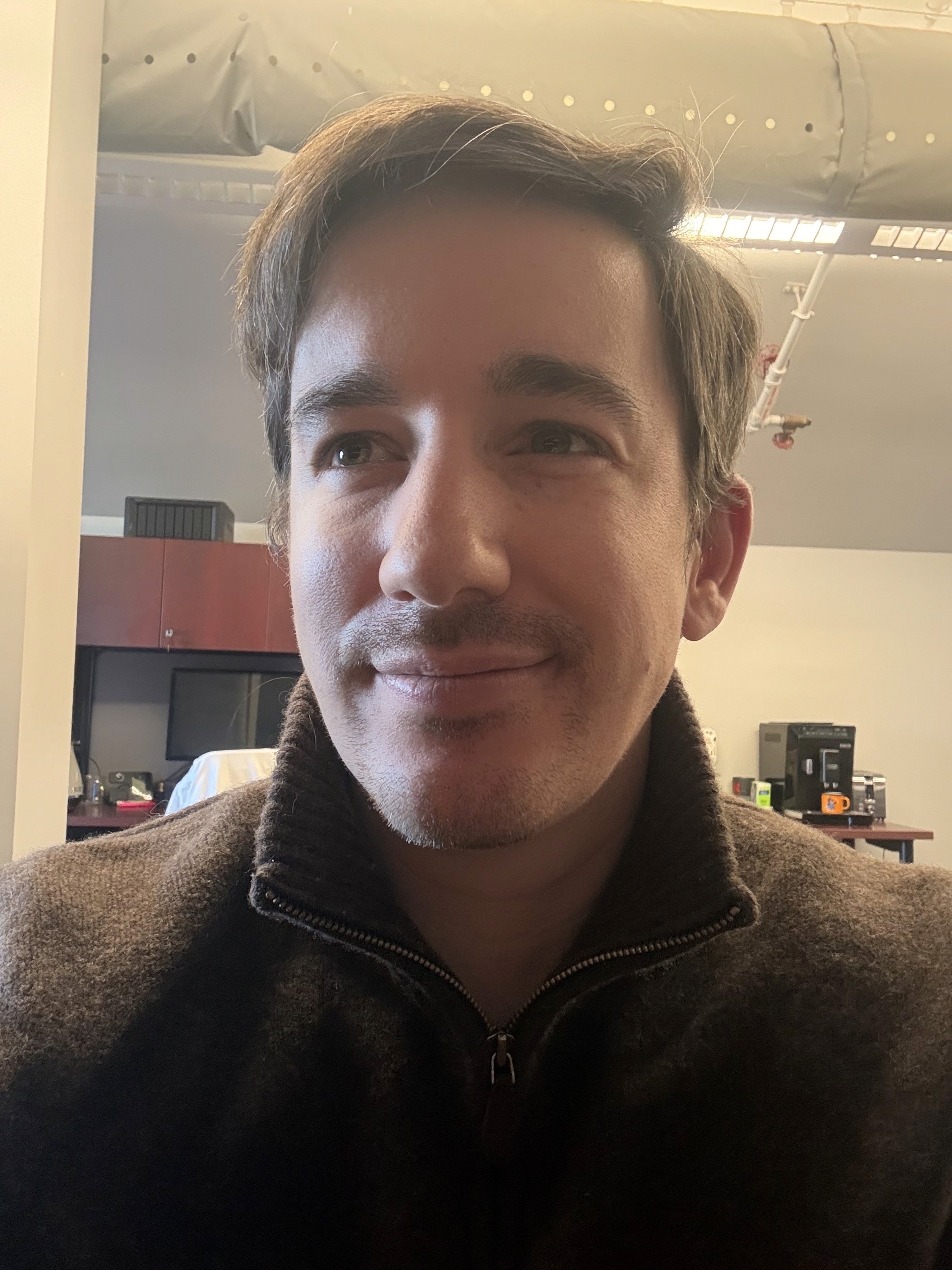
  • Juraj Martíček
    Tech Lead
    Juraj Martíček
    Tech Lead
    Juraj Martíček
    Tech Lead
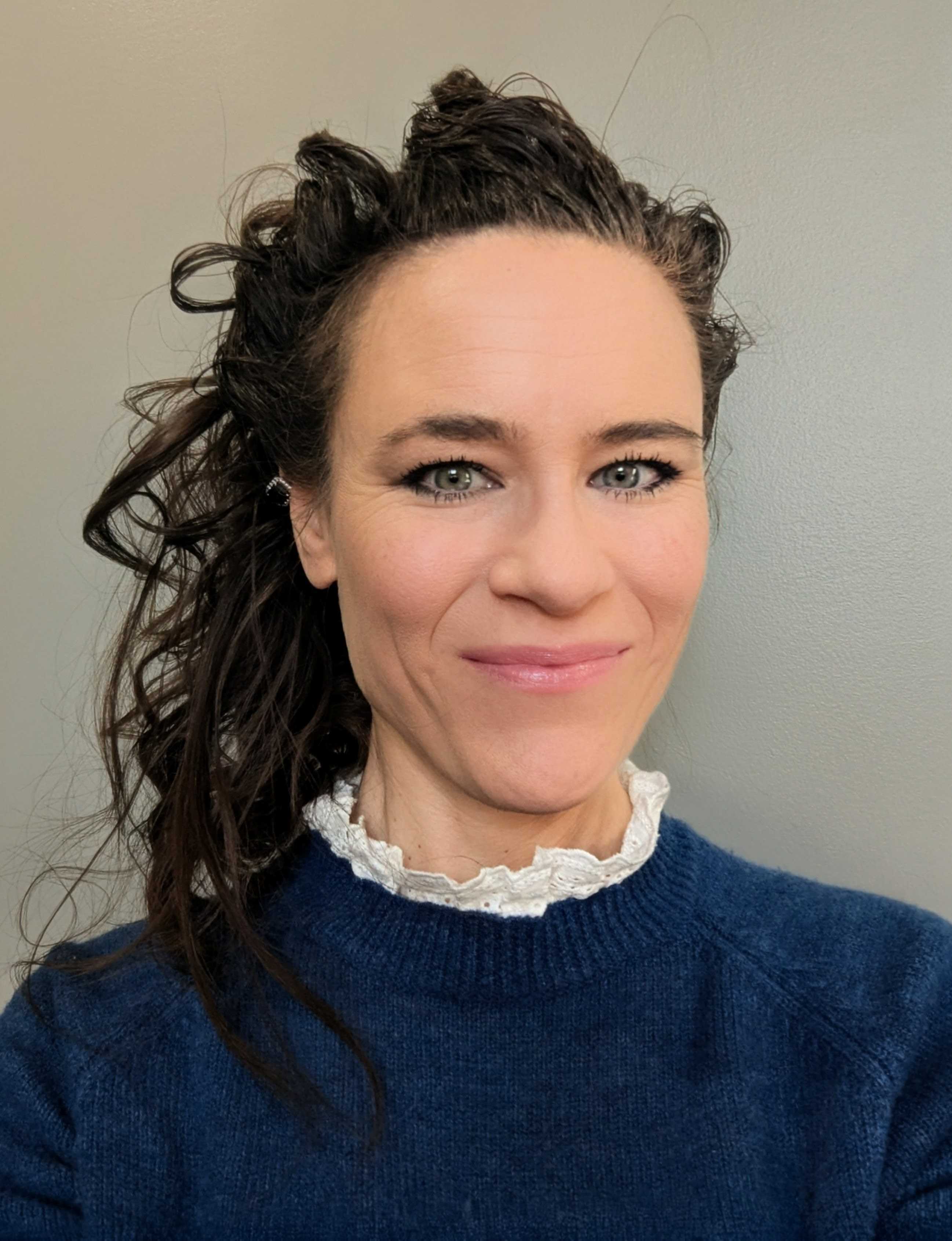
    Skylar Loecker
    Program Coordinator II
    Skylar Loecker
    Program Coordinator II
    Skylar Loecker
    Program Coordinator II
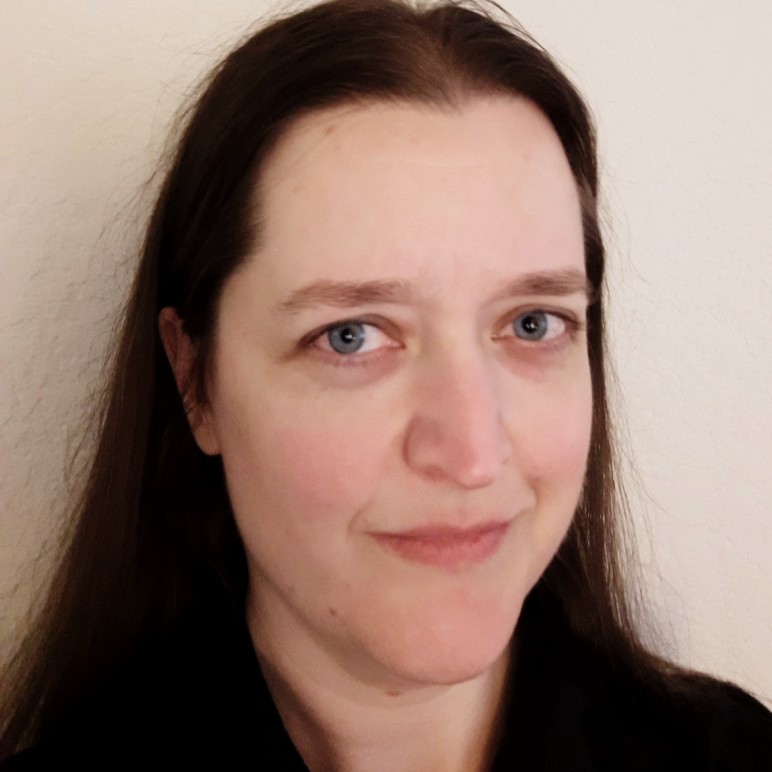
    Shaifali Saroha
    Computational Biologist
    Shaifali Saroha
    Computational Biologist
    Shaifali Saroha
    Computational Biologist
    Daniel Šmiít
    Scientific Programmer and misanthrope
    Daniel Šmiít
    Scientific Programmer and misanthrope
    Daniel Šmiít
    Scientific Programmer and misanthrope
    Prakash Packrisamy
    Lead Scientist
    Prakash Packrisamy
    Lead Scientist
    Prakash Packrisamy
    Lead Scientist
    Tomas Helikar
    PI and Director
    Tomas Helikar
    PI and Director
    Tomas Helikar
    PI and Director
    Dennis Startsev
    PhD Student and Modeler
    Dennis Startsev
    PhD Student and Modeler
    Dennis Startsev
    PhD Student and Modeler
    Mukta G Palshikar
    Research Scientist
    Mukta G Palshikar
    Research Scientist
    Mukta G Palshikar
    Research Scientist
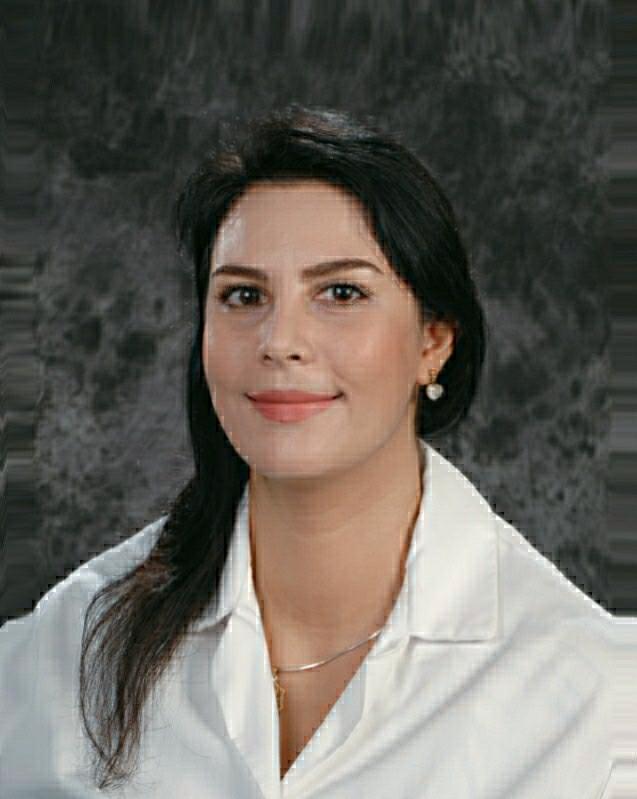
    Lauren Mayo
    Computational Biologist
    Lauren Mayo
    Computational Biologist
    Lauren Mayo
    Computational Biologist
    Jozef Čabala
    Software Engineer
    Jozef Čabala
    Software Engineer
    Jozef Čabala
    Software Engineer

We’re growing our team.

We’re looking for scientists, engineers, designers, and students interested in building the future of immune simulation and personalised immune health. Join us as we shape a new generation of computational immunology tools.

We’re growing our team.

We’re looking for scientists, engineers, designers, and students interested in building the future of immune simulation and personalised immune health. Join us as we shape a new generation of computational immunology tools.

We’re growing our team.

We’re looking for scientists, engineers, designers, and students interested in building the future of immune simulation and personalised immune health. Join us as we shape a new generation of computational immunology tools.